Thinking about replacing your old ERP system? You’re not alone. Countless businesses are ditching legacy ERP system replacement projects to stay competitive, agile, and future-ready. This guide dives deep into why and how to make the leap—without the headaches.
What Is a Legacy ERP System?

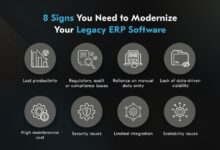
A legacy ERP system refers to outdated enterprise resource planning software that has been in use for many years, often a decade or more. While it may have served its purpose in the past, these systems now struggle to keep up with modern business demands, technological advancements, and evolving customer expectations. The term ‘legacy’ doesn’t just imply age—it often signals technical debt, lack of support, and integration challenges.
Defining ‘Legacy’ in ERP Context
The label ‘legacy’ is more than just a timestamp. It typically describes ERP platforms built on obsolete architectures, such as monolithic designs, client-server models, or proprietary databases that no longer receive vendor updates or security patches. These systems were often custom-built for specific business processes and are now deeply embedded in daily operations, making them difficult to dislodge.
- Systems no longer supported by the original vendor
- Running on outdated operating systems (e.g., Windows Server 2008)
- Unable to integrate with modern cloud tools
According to Gartner, over 60% of organizations still rely on legacy ERP systems, many of which are past their end-of-life (EOL) phase. This creates significant risks, including security vulnerabilities and compliance issues.
Common Examples of Legacy ERP Platforms
Some of the most widely used legacy ERP systems include SAP R/3, Oracle E-Business Suite (EBS), Microsoft Dynamics AX 2009, and JD Edwards World. While these platforms were industry leaders in their time, they now face stiff competition from modern, cloud-native alternatives like SAP S/4HANA, Oracle Cloud ERP, and Microsoft Dynamics 365.
For example, SAP R/3, launched in the 1990s, was revolutionary for its time but lacks the real-time analytics and AI capabilities of its successor, S/4HANA. Similarly, JD Edwards World, though still in use by many manufacturers, runs on IBM AS/400 systems that are increasingly difficult to maintain.
“Legacy systems are not just outdated—they are liabilities in disguise,” says Forrester analyst John Bratton. “They slow innovation, increase costs, and expose companies to cyber threats.”
Why Legacy ERP System Replacement Is Critical
The urgency for legacy ERP system replacement isn’t just about staying current—it’s about survival in a fast-moving digital economy. Companies clinging to outdated ERP platforms risk falling behind in efficiency, customer service, and strategic decision-making. The cost of inaction often outweighs the investment required for modernization.
Declining Vendor Support and Security Risks
One of the most pressing reasons for legacy ERP system replacement is the withdrawal of vendor support. When a software reaches its end-of-support date, it no longer receives security updates, bug fixes, or compliance patches. This leaves organizations exposed to cyberattacks, data breaches, and regulatory fines.
For instance, Microsoft ended mainstream support for Dynamics AX 2012 in 2017 and extended support in 2025. After this date, any vulnerabilities discovered will not be patched, making the system a prime target for hackers. Similarly, Oracle has been pushing customers toward its cloud suite, reducing investment in on-premise EBS.
legacy erp system replacement – Legacy erp system replacement menjadi aspek penting yang dibahas di sini.
- Increased vulnerability to ransomware and phishing attacks
- Non-compliance with GDPR, HIPAA, or SOX regulations
- Higher IT costs due to custom patching and workarounds
A 2023 report by IBM found that the average cost of a data breach was $4.45 million—nearly double for organizations using outdated systems. Legacy ERP systems, often connected to core financial and HR data, are high-value targets.
Integration Challenges with Modern Tools
Modern businesses rely on a ecosystem of tools—CRM platforms like Salesforce, collaboration tools like Microsoft Teams, and analytics engines like Power BI. Legacy ERP systems were not designed for API-first architectures, making integration cumbersome, slow, and expensive.
Without seamless integration, data silos emerge, leading to inconsistent reporting, duplicated efforts, and poor decision-making. For example, a sales team using Salesforce may not have real-time access to inventory levels from the ERP, resulting in overselling or delayed deliveries.
Cloud-based ERP systems, by contrast, offer pre-built connectors, RESTful APIs, and middleware support (like MuleSoft or Dell Boomi), enabling smooth data flow across applications. This interoperability is essential for digital transformation.
Top 7 Benefits of Legacy ERP System Replacement
Replacing a legacy ERP system is more than a technical upgrade—it’s a strategic transformation. When done right, it unlocks efficiency, agility, and innovation across the organization. Below are seven powerful benefits that justify the investment.
1. Real-Time Data and Analytics
Modern ERP systems leverage in-memory computing (like SAP HANA) to process vast amounts of data in real time. This enables instant reporting, predictive analytics, and AI-driven insights that were impossible with legacy batch-processing models.
For example, a manufacturing company can monitor production line performance, detect anomalies, and forecast maintenance needs—all in real time. This reduces downtime and improves operational efficiency.
- Live dashboards for financials, inventory, and sales
- Predictive analytics for demand forecasting
- AI-powered anomaly detection in transactions
According to a McKinsey study, companies using real-time analytics see a 20-30% improvement in decision-making speed and accuracy.
2. Enhanced Scalability and Flexibility
Legacy systems are often rigid, requiring extensive customization to adapt to new business models or markets. Modern cloud ERP platforms are inherently scalable, allowing businesses to add users, modules, or geographic regions with minimal effort.
legacy erp system replacement – Legacy erp system replacement menjadi aspek penting yang dibahas di sini.
For instance, a retail chain expanding into e-commerce can quickly activate new modules for order management, omnichannel fulfillment, and customer service without overhauling the entire system.
Cloud ERPs also support hybrid and remote workforces, a critical advantage in today’s distributed business environment. Employees can access the system securely from any device, anywhere.
3. Lower Total Cost of Ownership (TCO)
While the upfront cost of legacy ERP system replacement can be significant, the long-term savings are substantial. Legacy systems incur high maintenance costs—often 15-20% of the initial license fee annually—for hardware, custom patches, and specialized IT staff.
Modern cloud ERP operates on a subscription model (SaaS), eliminating the need for on-premise servers, reducing IT overhead, and shifting costs from capital expenditure (CapEx) to operational expenditure (OpEx).
A 2022 Nucleus Research report found that cloud ERP delivers a 30% lower TCO over five years compared to on-premise legacy systems. Additionally, automatic updates ensure the system stays current without additional effort or cost.
“The cloud isn’t just a technology shift—it’s a financial strategy,” says Nucleus analyst Rebecca Wettemann. “It frees up capital for innovation.”
Key Challenges in Legacy ERP System Replacement
Despite the benefits, replacing a legacy ERP system is not without hurdles. Organizations must navigate technical, cultural, and operational challenges to ensure a successful transition.
Data Migration Complexity
One of the most daunting aspects of legacy ERP system replacement is migrating decades of data. This includes financial records, customer histories, inventory logs, and employee information. Poor data quality—duplicates, inconsistencies, missing fields—can derail the migration process.
Best practices include data cleansing before migration, using ETL (Extract, Transform, Load) tools, and conducting multiple test migrations. Companies should also define data retention policies to avoid transferring obsolete or redundant information.
- Use data profiling tools to assess quality
- Engage data stewards from each department
- Perform incremental migration in phases
According to Panorama Consulting, 57% of ERP projects experience data-related issues during migration, often leading to delays and cost overruns.
legacy erp system replacement – Legacy erp system replacement menjadi aspek penting yang dibahas di sini.
User Resistance and Change Management
Employees accustomed to the old system may resist change, especially if the new ERP has a different interface or workflow. This resistance can slow adoption and reduce ROI.
Effective change management includes early communication, hands-on training, and involving super-users in the rollout. Leadership must champion the transition and clearly articulate the benefits to all stakeholders.
For example, a global manufacturer reduced user resistance by creating a ‘digital ambassador’ program, where trained employees mentored their peers during the go-live phase.
Customization vs. Standardization Dilemma
Many legacy ERP systems are heavily customized to fit unique business processes. While this provided flexibility in the past, it complicates migration because modern ERPs emphasize best practices and standardization.
Organizations must decide whether to replicate custom workflows in the new system or reengineer processes to align with industry standards. The latter often leads to greater long-term benefits but requires upfront process analysis and redesign.
A balanced approach—’configure, don’t customize’—is recommended. This means using the ERP’s built-in configuration options rather than writing custom code, which reduces upgrade complexity and support costs.
How to Plan a Successful Legacy ERP System Replacement
A well-structured plan is essential for minimizing disruption and maximizing ROI. The process should be treated as a business transformation, not just an IT project.
Assess Current System and Business Needs
Begin with a comprehensive audit of the existing ERP system. Document all modules in use, integration points, customizations, and pain points. Simultaneously, engage stakeholders across finance, operations, HR, and IT to identify current and future business requirements.
Tools like SWOT analysis (Strengths, Weaknesses, Opportunities, Threats) can help prioritize needs. For example, if real-time inventory tracking is a top priority, the new ERP must support IoT integration and warehouse management.
legacy erp system replacement – Legacy erp system replacement menjadi aspek penting yang dibahas di sini.
- Map current business processes
- Identify critical pain points (e.g., slow month-end closing)
- Define success metrics (e.g., 30% faster reporting)
Select the Right ERP Vendor and Deployment Model
The market offers a wide range of ERP solutions, from industry-specific platforms to general-purpose suites. Key factors in selection include scalability, industry fit, mobile access, AI capabilities, and total cost.
Deployment options include:
- Cloud (SaaS): Fast deployment, automatic updates, pay-as-you-go pricing
- On-Premise: Full control, higher upfront cost, longer implementation
- Hybrid: Mix of cloud and on-premise, useful for regulated industries
Leading vendors include SAP, Oracle, Microsoft Dynamics 365, and Infor. Each offers robust cloud ERP options tailored for legacy ERP system replacement.
Develop a Phased Implementation Roadmap
Rather than a risky ‘big bang’ cutover, a phased approach reduces disruption. Start with a pilot module—such as finance or procurement—then expand to other departments.
A typical roadmap includes:
- Discovery and planning (1-3 months)
- System configuration and data migration (3-6 months)
- User training and testing (1-2 months)
- Go-live and post-go-live support (ongoing)
Each phase should include clear milestones, risk assessments, and rollback plans. Regular communication with stakeholders ensures alignment and quick issue resolution.
The Role of Cloud Migration in Legacy ERP System Replacement
Cloud migration is not just a trend—it’s a strategic imperative in legacy ERP system replacement. Moving to the cloud offers unparalleled agility, resilience, and innovation potential.
Advantages of Cloud-Based ERP
Cloud ERP platforms provide automatic updates, built-in disaster recovery, and global accessibility. They also support advanced technologies like AI, machine learning, and blockchain, which are difficult to implement on legacy infrastructure.
For example, Oracle Cloud ERP uses AI to automate invoice matching and detect fraud, while SAP S/4HANA Cloud offers embedded analytics for supply chain optimization.
legacy erp system replacement – Legacy erp system replacement menjadi aspek penting yang dibahas di sini.
- Automatic software updates and security patches
- Disaster recovery and data backup included
- Access to AI and machine learning features
A 2023 IDC study found that 78% of enterprises accelerating their ERP modernization are choosing cloud-first strategies.
Overcoming Cloud Security Concerns
Security remains a top concern for organizations considering cloud migration. However, major cloud providers invest heavily in security—often more than most enterprises can afford internally.
Cloud ERP vendors comply with global standards like ISO 27001, SOC 2, and GDPR. They employ encryption, multi-factor authentication, and continuous monitoring to protect data.
The key is due diligence: review the vendor’s security certifications, understand data residency policies, and implement strong internal access controls.
“The cloud is not less secure—it’s differently secure,” says cybersecurity expert Bruce Schneier. “And for most companies, it’s actually more secure.”
Measuring the ROI of Legacy ERP System Replacement
To justify the investment, organizations must track both tangible and intangible returns. A successful legacy ERP system replacement should deliver measurable improvements across the business.
Financial Metrics: Cost Savings and Efficiency Gains
Track reductions in IT maintenance costs, hardware expenses, and licensing fees. Measure process efficiency gains—such as faster order processing, reduced invoice errors, or shorter month-end closing cycles.
For example, a mid-sized manufacturer reported cutting its month-end close from 10 days to 3 after migrating to a modern ERP.
- Reduction in manual data entry hours
- Lower IT support tickets related to system errors
- Fewer stockouts due to better inventory visibility
Operational and Strategic Impact
Beyond cost savings, assess improvements in decision-making, customer satisfaction, and employee productivity. Modern ERP systems enable proactive management—such as identifying supply chain risks before they escalate.
Employee satisfaction often improves due to intuitive interfaces and mobile access. Customer service teams can resolve issues faster with complete order and account histories at their fingertips.
legacy erp system replacement – Legacy erp system replacement menjadi aspek penting yang dibahas di sini.
According to Panorama Consulting, companies that measure ERP ROI see 2.5x higher project success rates.
Future-Proofing Your Business with Modern ERP
Legacy ERP system replacement isn’t just about fixing today’s problems—it’s about preparing for tomorrow’s opportunities. A modern ERP acts as a digital backbone, enabling innovation and adaptability.
Enabling Digital Transformation Initiatives
A modern ERP integrates seamlessly with emerging technologies like IoT, robotic process automation (RPA), and blockchain. For example, IoT sensors on factory equipment can feed real-time performance data into the ERP, triggering maintenance workflows automatically.
RPA bots can automate repetitive tasks like data entry or report generation, freeing employees for higher-value work. Blockchain can enhance supply chain transparency by recording every transaction immutably.
Supporting Sustainability and ESG Goals
Modern ERPs include sustainability modules that track carbon emissions, energy usage, and waste. This data is critical for ESG (Environmental, Social, and Governance) reporting and regulatory compliance.
For instance, SAP’s Sustainability Control Tower provides real-time insights into a company’s environmental footprint across its supply chain.
As investors and regulators demand greater transparency, ERP systems will play a central role in ESG strategy execution.
What is a legacy ERP system?
A legacy ERP system is an outdated enterprise resource planning platform that is no longer supported or updated by the vendor. It often runs on obsolete technology, lacks integration capabilities, and poses security risks.
legacy erp system replacement – Legacy erp system replacement menjadi aspek penting yang dibahas di sini.
Why should I replace my legacy ERP system?
Replacing a legacy ERP system improves security, reduces costs, enhances scalability, and enables real-time analytics. It also supports digital transformation and compliance with modern regulations.
How long does a legacy ERP system replacement take?
Implementation timelines vary but typically range from 6 to 18 months, depending on the organization’s size, complexity, and chosen deployment model. Phased rollouts can shorten disruption.
Is cloud ERP safer than on-premise legacy systems?
Yes, cloud ERP is often more secure due to continuous updates, advanced encryption, and compliance with international standards. Major providers invest heavily in cybersecurity, often exceeding in-house capabilities.
What are the biggest risks in ERP migration?
The main risks include data loss during migration, user resistance, cost overruns, and process misalignment. These can be mitigated with proper planning, change management, and phased implementation.
Replacing a legacy ERP system is one of the most impactful decisions a business can make. It’s not just about upgrading software—it’s about transforming how the organization operates, competes, and innovates. With careful planning, strong leadership, and the right technology partner, legacy ERP system replacement can unlock unprecedented efficiency, agility, and growth. The future belongs to those who modernize today.
legacy erp system replacement – Legacy erp system replacement menjadi aspek penting yang dibahas di sini.
Further Reading:
