Navigating the world of ERP project management services doesn’t have to be overwhelming. With the right strategies, businesses can unlock efficiency, reduce costs, and drive digital transformation—seamlessly.
Understanding ERP Project Management Services

Enterprise Resource Planning (ERP) project management services are specialized solutions designed to guide organizations through the complex process of implementing, upgrading, or optimizing ERP systems. These services ensure that technology aligns with business goals, timelines are met, and resources are used efficiently.
What Are ERP Project Management Services?
ERP project management services encompass a full lifecycle of support—from initial planning and system selection to deployment, training, and post-go-live optimization. These services are typically delivered by experienced consultants or dedicated project managers who specialize in ERP ecosystems such as SAP, Oracle, Microsoft Dynamics, or NetSuite.
- They provide structured methodologies to manage scope, budget, and timelines.
- They bridge the gap between IT teams and business stakeholders.
- They ensure compliance with industry standards and data security protocols.
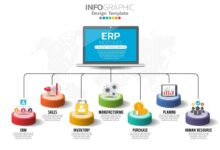
According to Gartner, ERP systems integrate core business functions like finance, HR, supply chain, and manufacturing into a unified platform, making project management critical for successful adoption.
Why ERP Projects Need Specialized Management
Unlike standard IT implementations, ERP projects involve deep organizational change. They affect nearly every department and require alignment across processes, data, and people. Without expert project management, ERP initiatives often face delays, budget overruns, or failure to deliver expected ROI.
“Over 75% of ERP implementations fail to meet their original objectives due to poor project management,” says Panorama Consulting in its 2023 ERP Report.
Specialized ERP project management services mitigate these risks by applying proven frameworks, managing stakeholder expectations, and ensuring change readiness across the organization.
The Critical Role of ERP Project Management in Digital Transformation
In today’s fast-evolving business landscape, digital transformation is no longer optional—it’s essential. ERP project management services act as the backbone of this transformation by enabling organizations to modernize operations, improve decision-making, and scale efficiently.
Aligning ERP Initiatives with Business Strategy
One of the primary functions of ERP project management services is to ensure that the ERP initiative supports the company’s overarching strategic goals. Whether it’s entering new markets, improving customer service, or streamlining supply chains, the ERP project must be designed with these objectives in mind.
- Project managers conduct strategic alignment workshops with executives.
- They define KPIs tied to business outcomes, not just technical milestones.
- They map current processes to future-state workflows enabled by the ERP system.
For example, a global manufacturer using SAP S/4HANA might leverage ERP project management services to automate production planning and reduce inventory costs by 20%—a direct contribution to strategic profitability goals.
Driving Organizational Change and Adoption
Technology alone doesn’t guarantee success. The human element—employee adoption—is often the biggest hurdle in ERP projects. ERP project management services include change management strategies to prepare teams for new ways of working.
- They develop communication plans to keep employees informed.
- They organize training programs tailored to different user roles.
- They identify and empower change champions within departments.
According to McKinsey, companies that invest in change management are six times more likely to achieve successful transformations. ERP project management services integrate these practices to minimize resistance and accelerate user adoption.
Key Components of Effective ERP Project Management Services
Successful ERP implementations rely on a structured approach. ERP project management services break down the process into manageable components, each critical to the project’s overall success.
Project Planning and Scope Definition
The foundation of any ERP project is a clear plan and well-defined scope. ERP project management services begin with comprehensive planning that outlines objectives, deliverables, timelines, and resource requirements.
- They use tools like Work Breakdown Structures (WBS) to decompose the project into tasks.
- They define the project scope to prevent feature creep and budget overruns.
- They establish governance models with steering committees and escalation paths.
A well-scoped project avoids the common pitfall of “boiling the ocean”—trying to do too much at once. Instead, ERP project management services promote phased rollouts, starting with core modules like finance and HR before expanding to other areas.
Risk Management and Mitigation Strategies
ERP projects are inherently risky. Data migration errors, integration failures, and user resistance can derail even the best-laid plans. ERP project management services include proactive risk assessment and mitigation planning.
- They conduct risk workshops to identify potential threats early.
- They develop contingency plans for high-impact risks.
- They monitor risk indicators throughout the project lifecycle.
For instance, a retail company migrating to Oracle Cloud ERP might face challenges with legacy data quality. ERP project management services would include data cleansing protocols and validation checkpoints to reduce this risk.
“Risk management isn’t about avoiding problems—it’s about being prepared when they arise,” notes PMI in its PMBOK Guide.
Stakeholder Engagement and Communication
ERP projects involve multiple stakeholders—from C-suite executives to end-users on the shop floor. ERP project management services ensure that everyone stays informed, aligned, and engaged throughout the journey.
- They create stakeholder maps to identify influence and interest levels.
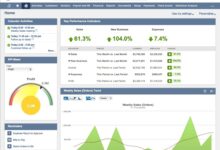
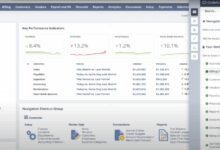
- They schedule regular status updates and executive dashboards.
- They facilitate cross-functional collaboration through workshops and feedback loops.
Transparent communication builds trust and reduces uncertainty. When stakeholders understand the project’s progress and benefits, they’re more likely to support it.
Choosing the Right ERP Project Management Services Provider
Not all ERP project management services are created equal. Selecting the right partner can make the difference between a smooth implementation and a costly failure.
Key Criteria for Evaluating Providers
When assessing ERP project management services providers, organizations should consider several critical factors:
- Industry Expertise: Does the provider have experience in your sector (e.g., manufacturing, healthcare, retail)?
- ERP Platform Proficiency: Are they certified in your chosen ERP system (e.g., Microsoft Dynamics 365, Infor, Workday)?
- Proven Methodology: Do they follow a structured implementation framework like ASAP (for SAP) or SureStep (for Dynamics)?
- Client References: Can they provide case studies or testimonials from similar projects?
- Support Model: Do they offer post-implementation support and optimization services?
For example, a mid-sized logistics company might choose an ERP project management services provider with a track record in supply chain optimization using Oracle NetSuite.
Red Flags to Watch Out For
While many providers are reputable, some may lack the depth of experience needed for complex ERP projects. Warning signs include:
- Vague project timelines or cost estimates.
- Overpromising results without due diligence.
- Lack of certified project managers or ERP consultants.
- Poor communication during the sales or discovery phase.
If a provider refuses to share references or avoids discussing risk management, it’s a clear signal to proceed with caution.
Best Practices in ERP Project Management Services
Success in ERP implementation isn’t accidental—it’s the result of disciplined execution and adherence to best practices. ERP project management services that follow industry-recognized standards significantly increase the likelihood of project success.
Adopt a Phased Implementation Approach
Rather than attempting a “big bang” rollout, leading ERP project management services advocate for a phased approach. This allows organizations to test, learn, and adjust before scaling.
- Start with a pilot in one department or location.
- Use lessons learned to refine processes for broader deployment.
- Gradually expand functionality and user base.
For example, a multinational corporation might first implement the financial module in its headquarters before rolling out HR and procurement modules across regional offices.
Leverage Agile and Hybrid Project Management Methods
While traditional waterfall models are still used, many ERP project management services now incorporate Agile principles—especially for user interface customization and reporting modules.
- Agile allows for iterative development and faster feedback cycles.
- Hybrid models combine the structure of waterfall with the flexibility of Agile.
- Sprints and stand-up meetings keep teams aligned and responsive.
According to the Project Management Institute (PMI), hybrid approaches are increasingly popular in ERP projects, offering the best of both worlds.
Ensure Data Quality and Governance
Data is the lifeblood of any ERP system. ERP project management services must prioritize data accuracy, consistency, and security from day one.
- Conduct data audits to identify duplicates, inaccuracies, and gaps.
- Establish data governance policies and ownership roles.
- Use automated tools for data migration and validation.
Poor data quality can lead to incorrect reporting, compliance issues, and operational inefficiencies. A healthcare provider implementing an ERP system for patient billing, for instance, must ensure that patient records are accurate and HIPAA-compliant.
Measuring the Success of ERP Project Management Services
How do you know if your ERP project was a success? It’s not just about going live on time—it’s about delivering measurable business value.
Key Performance Indicators (KPIs) for ERP Projects
ERP project management services should define and track KPIs that reflect both project execution and business outcomes.
- On-Time Delivery: Percentage of milestones completed on schedule.
- Budget Adherence: Actual spend vs. planned budget.
- User Adoption Rate: Percentage of employees actively using the system.
- Process Efficiency Gains: Reduction in cycle times (e.g., order-to-cash, procure-to-pay).
- ROI: Financial benefits realized vs. total project cost.
For example, a manufacturing firm might measure success by a 30% reduction in production planning time after ERP implementation.
Post-Implementation Review and Continuous Improvement
The project doesn’t end at go-live. ERP project management services should include a formal post-implementation review (PIR) to evaluate what went well and what could be improved.
- Conduct stakeholder interviews and user surveys.
- Analyze system performance and support tickets.
- Document lessons learned for future projects.
Additionally, continuous improvement initiatives—such as adding new modules, integrating AI-driven analytics, or optimizing workflows—should be part of the long-term roadmap supported by ongoing ERP project management services.
Future Trends in ERP Project Management Services
The landscape of ERP is evolving rapidly, driven by cloud computing, artificial intelligence, and increasing demand for real-time insights. ERP project management services must adapt to these changes to remain effective.
The Rise of Cloud-Based ERP and Managed Services
More organizations are moving to cloud-based ERP platforms like SAP S/4HANA Cloud, Oracle Fusion Cloud, and Microsoft Dynamics 365. This shift requires new project management approaches.
- Cloud ERP projects often have shorter timelines but require strong vendor coordination.
- Managed services providers now offer end-to-end ERP project management as a service.
- Subscription models reduce upfront costs but require ongoing optimization.
According to IDC, over 60% of ERP implementations will be cloud-based by 2025, making cloud-savvy project management services essential.
Integration of AI and Automation in Project Management
Artificial intelligence is beginning to play a role in ERP project management itself. AI-powered tools can predict project risks, optimize resource allocation, and automate routine tasks.
- Predictive analytics can flag potential delays based on historical data.
- Chatbots assist users during training and support phases.
- Robotic Process Automation (RPA) streamlines data migration and testing.
For example, an AI-driven dashboard might alert project managers to a spike in user login failures, indicating a need for additional training or system tuning.
Focus on User Experience and Personalization
Modern ERP systems are not just back-office tools—they’re user-facing platforms. ERP project management services now emphasize user experience (UX) design and personalization.
- They conduct usability testing during implementation.
- They customize dashboards and workflows based on user roles.
- They integrate mobile access and self-service portals.
A positive user experience increases adoption and reduces reliance on IT support, directly impacting the project’s long-term success.
What are ERP project management services?
ERP project management services are professional solutions that guide organizations through the planning, execution, and optimization of ERP system implementations. They include scope definition, risk management, stakeholder coordination, and change management to ensure successful deployment and business alignment.
Why do ERP projects fail without proper management?
ERP projects often fail due to poor planning, lack of stakeholder engagement, scope creep, and inadequate change management. Without specialized ERP project management services, organizations risk budget overruns, timeline delays, low user adoption, and failure to achieve ROI.
How long does an ERP implementation typically take?
The duration varies by organization size and complexity, but most ERP implementations take between 6 to 18 months. With effective ERP project management services, timelines can be optimized through phased rollouts and agile methodologies.
What should I look for in an ERP project management services provider?
Look for industry experience, ERP platform expertise, a proven methodology, strong client references, and a clear support model. Certifications from ERP vendors (e.g., SAP, Oracle) and project management bodies (e.g., PMP, PRINCE2) are also strong indicators of capability.
Can ERP project management services help with cloud migrations?
Yes, modern ERP project management services are equipped to handle cloud migrations, including system configuration, data migration, security compliance, and user training. They work closely with cloud providers to ensure a smooth transition and ongoing optimization.
ERP project management services are not just a technical necessity—they are a strategic enabler of business transformation. From defining scope and managing risks to driving user adoption and measuring success, these services ensure that ERP investments deliver real, measurable value. As technology evolves, so too must the approach to managing ERP projects, embracing cloud, AI, and user-centric design. By partnering with the right experts and following best practices, organizations can turn their ERP initiatives into powerful engines of growth and innovation.
Further Reading:
