Thinking about upgrading your business systems? ERP migration services are no longer just a tech upgrade—they’re a strategic revolution. In 2024, companies that master this transition gain speed, insight, and unmatched agility. Let’s dive into what makes ERP migration a game-changer.
What Are ERP Migration Services?

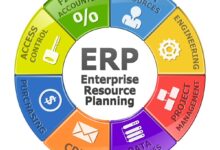
Enterprise Resource Planning (ERP) migration services involve transferring data, processes, and applications from legacy systems to modern ERP platforms. This isn’t just a technical overhaul—it’s a complete business transformation. Whether moving from on-premise software to cloud-based solutions like SAP S/4HANA or transitioning from Oracle E-Business Suite to Oracle Cloud, ERP migration services ensure a smooth, secure, and scalable shift.
Defining ERP Migration in Modern Business
ERP migration is more than data transfer. It’s about aligning your organization’s core operations—finance, HR, supply chain, and sales—with a unified digital ecosystem. Modern ERP systems offer real-time analytics, AI-driven forecasting, and seamless integration with third-party tools. According to Gartner, over 60% of mid-to-large enterprises will have migrated to cloud ERP by 2025.
- ERP migration bridges outdated systems with future-ready platforms.
- It enables automation, reduces manual errors, and improves decision-making.
- The process includes planning, data cleansing, system configuration, testing, and go-live support.
Why ERP Migration Is Not Just a Tech Project
Many organizations treat ERP migration as an IT initiative. However, its impact spans departments, workflows, and corporate strategy. A successful migration requires cross-functional collaboration, change management, and executive sponsorship. As McKinsey notes, companies that treat ERP migration as a business transformation—not just a tech upgrade—are 2.5x more likely to achieve ROI within the first year.
“ERP migration is less about moving data and more about redefining how a company operates.” — Deloitte Insights
Why Businesses Need ERP Migration Services in 2024
The digital economy demands agility, scalability, and data-driven decisions. Legacy ERP systems, often built decades ago, struggle to keep pace. ERP migration services provide the bridge to innovation, compliance, and competitive advantage.
Outgrowing Legacy Systems
Many businesses still rely on ERP systems from the 1990s or early 2000s. These systems lack mobile access, cloud integration, and real-time reporting. They’re also expensive to maintain. ERP migration services help organizations break free from technical debt and move to platforms that support modern workflows.
- Legacy systems often run on unsupported hardware or outdated operating systems.
- Maintenance costs can consume up to 70% of the IT budget.
- Lack of API support limits integration with CRM, e-commerce, and analytics tools.
Compliance and Security Imperatives
Data privacy laws like GDPR, CCPA, and HIPAA require robust data governance. Older ERP systems were not designed with these regulations in mind. ERP migration services ensure that data is encrypted, access is role-based, and audit trails are maintained. Cloud-based ERPs like Microsoft Dynamics 365 offer built-in compliance frameworks that reduce legal risks.
Top 7 ERP Migration Strategies for 2024
Not all migrations are created equal. The strategy you choose determines cost, timeline, risk, and long-term success. Here are the seven most effective ERP migration strategies used by leading enterprises.
Big Bang Migration
The big bang approach involves switching from the old system to the new ERP in one go. It’s fast and decisive but carries high risk. This strategy is best for small to mid-sized companies with simple processes and minimal data volume.
- Pros: Quick ROI, single cutover, no dual-system maintenance.
- Cons: High risk of downtime, requires extensive pre-migration testing.
- Best for: Organizations with strong change management and dedicated IT teams.
Phased Migration
Phased migration rolls out the ERP system module by module—starting with finance, then HR, then supply chain. This reduces risk and allows teams to adapt gradually. It’s the most popular approach for large enterprises.
- Pros: Lower risk, easier user adoption, incremental ROI.
- Cons: Longer timeline, potential data silos during transition.
- Best for: Complex organizations with global operations.
Parallel Migration
In parallel migration, both old and new systems run simultaneously for a set period. This allows for side-by-side comparison and validation of data accuracy. While safe, it doubles the workload during the transition.
- Pros: High data integrity, minimal business disruption.
- Cons: Expensive due to dual licensing and staffing.
- Best for: Regulated industries like healthcare and finance.
Key Challenges in ERP Migration Services
Despite the benefits, ERP migration is fraught with challenges. Understanding these pitfalls is the first step to avoiding them.
Data Quality and Cleansing
Poor data quality is the #1 cause of ERP migration failure. Duplicate records, inconsistent formats, and missing fields can derail the entire process. ERP migration services include data profiling, cleansing, and validation to ensure only high-quality data makes the jump.
- Use ETL (Extract, Transform, Load) tools to standardize data.
- Engage business stakeholders to define data ownership and rules.
- Run test migrations to identify anomalies early.
User Resistance and Change Management
Employees often resist new systems due to fear of the unknown or increased workload. ERP migration services must include comprehensive training, communication plans, and super-user programs to drive adoption.
“Technology is only 20% of the migration success. The other 80% is people.” — PwC ERP Study
Integration with Existing Systems
Most companies don’t operate in a vacuum. ERP systems must integrate with CRM, e-commerce platforms, HRIS, and legacy databases. ERP migration services use APIs, middleware, and iPaaS (Integration Platform as a Service) solutions to ensure seamless connectivity.
- Identify integration points early in the planning phase.
- Use tools like MuleSoft or Dell Boomi for hybrid integrations.
- Test integrations in staging environments before go-live.
How to Choose the Right ERP Migration Services Provider
Selecting the right partner can make or break your migration. Not all ERP migration services are equal—some specialize in SAP, others in Oracle or Microsoft Dynamics.
Experience and Industry Expertise
Look for providers with proven success in your industry. A vendor that has migrated 50 manufacturing firms will understand your pain points better than a generalist.
- Ask for case studies and client references.
- Verify certifications from ERP vendors (e.g., SAP PartnerEdge, Oracle Gold Partner).
- Check their track record with similar company sizes and complexities.
Comprehensive Service Offering
The best ERP migration services go beyond technical execution. They offer project management, change management, training, and post-go-live support. Avoid vendors that only handle data transfer.
- Ensure they provide end-to-end migration lifecycle support.
- Look for agile project methodologies and transparent reporting.
- Confirm they offer 24/7 support during critical phases.
Technology and Tools
Top-tier ERP migration services use advanced tools for data mapping, testing automation, and performance monitoring. Ask about their use of AI-driven migration assistants, cloud migration accelerators, and DevOps practices.
- Do they use automated testing frameworks?
- Can they demonstrate real-time migration dashboards?
- Do they support hybrid and multi-cloud environments?
The Role of Cloud in ERP Migration Services
The cloud is no longer optional—it’s the default destination for ERP migration. Cloud-based ERPs offer scalability, lower TCO (Total Cost of Ownership), and faster innovation cycles.
Public vs. Private vs. Hybrid Cloud
Organizations must decide where their ERP will live. Public clouds (AWS, Azure, GCP) offer cost efficiency and global reach. Private clouds provide enhanced security and control. Hybrid models combine both, ideal for regulated industries.
- Public cloud: Best for scalability and rapid deployment.
- Private cloud: Preferred for data-sensitive sectors like defense or banking.
- Hybrid: Balances flexibility and compliance.
Benefits of Cloud ERP Migration
Migrating to cloud ERP through professional ERP migration services unlocks numerous advantages:
- Scalability: Easily add users, modules, or regions without hardware upgrades.
- Automatic Updates: Vendors handle patches and upgrades, reducing IT burden.
- Disaster Recovery: Built-in backup and failover mechanisms ensure business continuity.
- AI and Analytics: Cloud ERPs integrate machine learning for predictive insights.
Cost Analysis of ERP Migration Services
ERP migration is a significant investment. Understanding the cost structure helps in budgeting and ROI forecasting.
Direct Costs
These include software licensing, consulting fees, infrastructure, and training. For a mid-sized company, ERP migration services can range from $500,000 to $5 million, depending on scope and complexity.
- Licensing: Cloud subscriptions vs. perpetual licenses.
- Consulting: Partner hourly rates or fixed-fee contracts.
- Infrastructure: Cloud hosting, network upgrades, security tools.
Indirect Costs
Often overlooked, indirect costs include employee downtime, productivity loss during transition, and opportunity cost of delayed projects.
- Plan for 20-30% productivity dip during the first 3 months post-migration.
- Factor in change management and communication expenses.
- Include post-go-live support and optimization costs.
ROI and Long-Term Value
While upfront costs are high, the ROI of ERP migration services is substantial. A study by Nucleus Research found that cloud ERP delivers an average ROI of 188% over five years, with payback in under 18 months.
“Every dollar invested in ERP migration generates $3.50 in business value.” — Nucleus Research
Future Trends in ERP Migration Services
The ERP landscape is evolving rapidly. Staying ahead of trends ensures your migration remains future-proof.
AI-Powered Migration Tools
Artificial Intelligence is transforming ERP migration services. AI can analyze legacy data, suggest optimal field mappings, predict integration conflicts, and automate testing. Tools like SAP’s AI-powered migration cockpit reduce manual effort by up to 60%.
- AI-driven data cleansing identifies anomalies and duplicates.
- Machine learning models predict migration risks based on historical data.
- Natural language processing helps document business processes automatically.
Low-Code and No-Code Integration
Modern ERP migration services increasingly use low-code platforms to accelerate integration. Business users can build connectors without coding, reducing dependency on IT.
- Platforms like Microsoft Power Automate and Oracle Integration Cloud empower non-technical teams.
- Speeds up testing and reduces errors in configuration.
- Enables faster iteration and customization post-migration.
Sustainability and Green ERP
Sustainability is becoming a key driver. Cloud ERP reduces energy consumption by eliminating on-premise servers. ERP migration services now include carbon footprint analysis and green hosting options.
- Cloud data centers are 80% more energy-efficient than on-premise setups.
- Vendors like Salesforce and SAP offer sustainability modules.
- Green ERP supports ESG reporting and regulatory compliance.
What are ERP migration services?
ERP migration services are professional solutions that help organizations move their data, processes, and applications from legacy ERP systems to modern platforms, often cloud-based. These services include planning, data cleansing, system configuration, integration, testing, and user training to ensure a smooth transition with minimal disruption.
How long does an ERP migration take?
The duration varies based on strategy and complexity. A big bang migration may take 6–9 months, while a phased approach can span 12–24 months. Factors like data volume, integration needs, and organizational size influence the timeline.
Is cloud ERP migration secure?
Yes, when done correctly. Reputable ERP migration services implement encryption, multi-factor authentication, role-based access, and regular audits. Cloud providers like AWS and Azure offer advanced security certifications (e.g., ISO 27001, SOC 2) that often exceed on-premise security.
Can small businesses benefit from ERP migration services?
Absolutely. Small businesses can leverage cloud ERP to gain enterprise-grade tools at a fraction of the cost. ERP migration services for SMBs are often modular, scalable, and include off-the-shelf templates to reduce time and cost.
What happens if ERP migration fails?
Failure can lead to data loss, operational downtime, financial loss, and reputational damage. However, with proper planning, testing, and expert ERP migration services, the risk is significantly minimized. A rollback plan and disaster recovery strategy are essential components of any migration project.
ERP migration services are no longer optional—they’re essential for staying competitive in 2024 and beyond. From overcoming legacy limitations to unlocking AI-driven insights, the right migration strategy transforms how businesses operate. Whether you choose a big bang or phased approach, the key is partnering with experts who understand both technology and business impact. With careful planning, robust tools, and a focus on people, your ERP migration can be a catalyst for growth, efficiency, and innovation. The future of enterprise operations is here—make sure your business is ready.
Further Reading:
